Connecticut researchers and industry leaders convened in New Haven to explore technical challenges, identify collaborators, and develop proposals for quantum sensing solutions
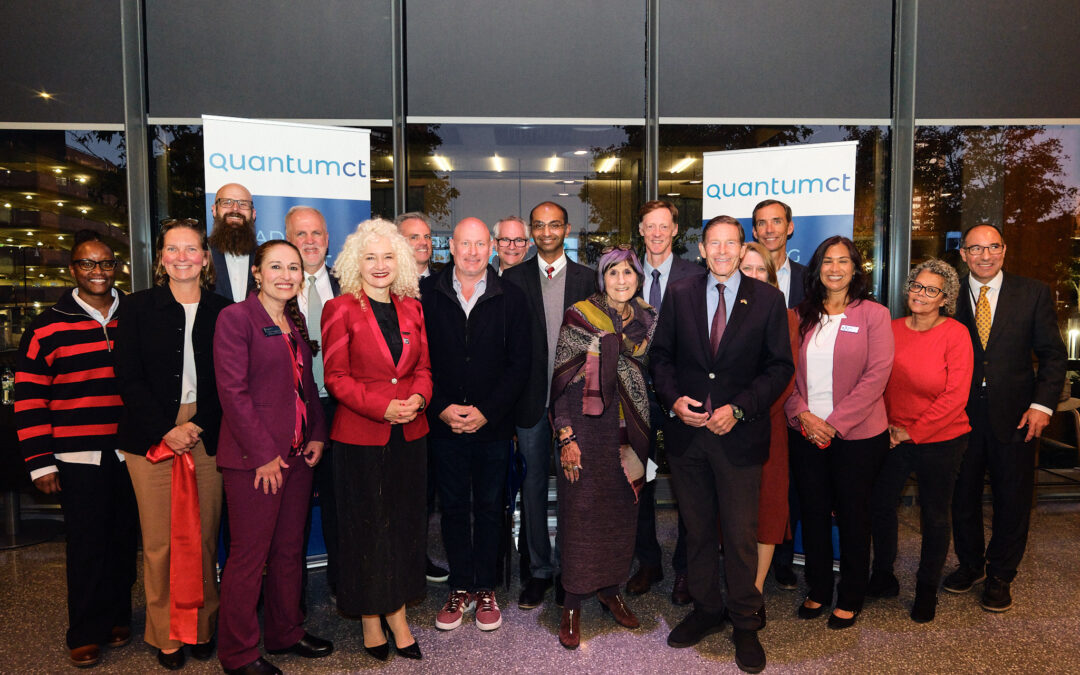
NEW HAVEN, Conn., October 16, 2026 – QuantumCT, in collaboration with UConn and Yale, today launched its Phase 3 Pilot Project Request for Proposals (RFP) during a workshop at QuantumCT’s headquarters at 101 College Street in New Haven.
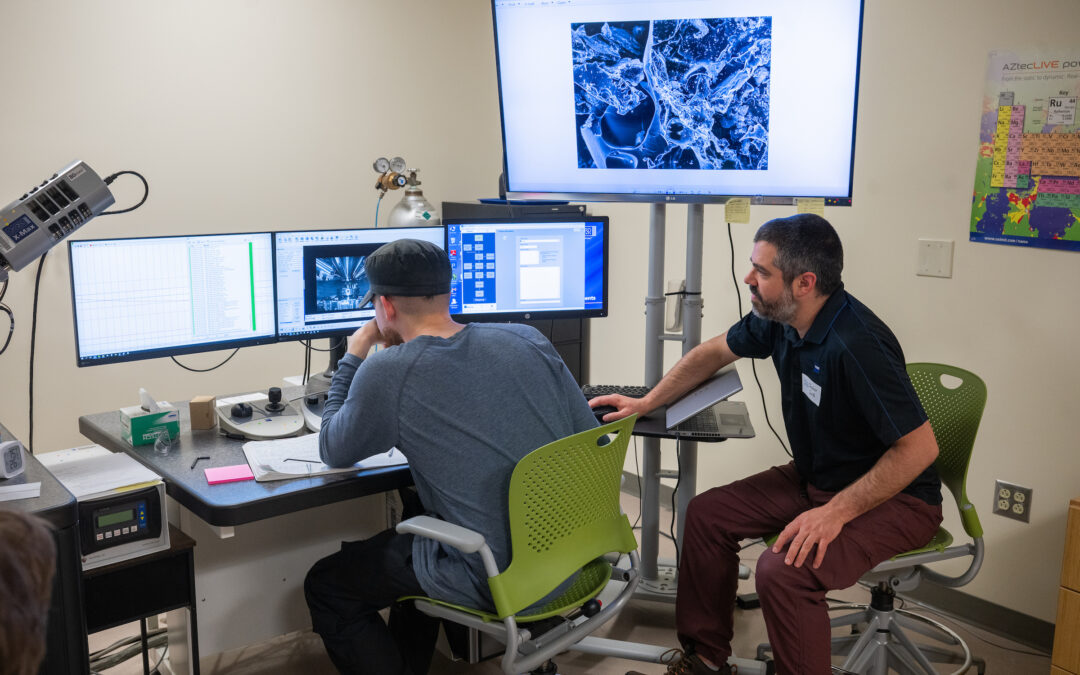
The workshop brought together researchers, industry representatives, entrepreneurs, and technology innovators to examine pressing challenges in quantum sensing, share technical expertise, and identify opportunities for collaborative pilot projects. The Phase 3 RFP is intended to accelerate the development and commercialization of quantum sensing technologies with potential scientific, commercial, and national security applications.
“Quantum sensing represents one of the most promising near-term applications of quantum technology,” said Vivek Ramakrishnan, Interim CEO of QuantumCT. “By bringing academic researchers and industry experts together around clearly defined technical challenges, we can create partnerships that move promising ideas toward practical solutions and strengthen Connecticut’s leadership in quantum innovation.”
A Collaborative Launch for the Quantum Sensing Challenge
The October 16th workshop opened with remarks from Vivek Ramakrishnan, Kathy Lynch, Executive Director of Corporate Strategy and Engagement at Yale, and Monica Roy, Director of Corporate Engagement at QuantumCT. Participants also heard from previously funded UConn-Yale project teams, which discussed their project goals, progress, benefits, and next steps.
Fourteen faculty and industry researchers delivered rapid “flash talks” highlighting the quantum sensing technologies they are exploring, their areas of expertise, and the collaborators they are seeking. Speakers represented organizations including UConn, Yale, Raytheon, IonQ, MITRE, Mesa Quantum, and Excite.
Representatives from QuantumCT and RTX Research Center then introduced the Phase 3 quantum sensing challenge and discussed its key technical considerations and requirements. An open discussion gave attendees the opportunity to engage with program managers, speakers, and past awardees before receiving an overview of the proposal submission and review process.
The workshop concluded with a networking reception designed to help potential collaborators continue conversations and begin forming project teams.
Four Priority Areas for Quantum Sensing Innovation
Developed in collaboration with RTX Research Center, the Phase 3 challenge focuses on four priority areas:
- Magnetic-aided inertial navigation
- Radio frequency signal detection using Rydberg atom sensors
- Quantum-enabled distributed sensing
- Biological systems with quantum processes
These focus areas reflect opportunities to address technical and engineering barriers that currently limit the deployment of quantum sensing systems outside laboratory environments. The initiative is designed to encourage collaboration among Connecticut’s academic institutions, startups, industry partners, and research organizations and to advance solutions with real-world potential.
Next Steps
Following the kickoff workshop, interested applicants are encouraged to review the Phase 3 RFP materials, continue conversations with potential academic and industry collaborators, and develop multidisciplinary proposals aligned with one or more of the four quantum sensing focus areas.
Proposals will be evaluated through QuantumCT’s review process, with selected teams advancing to the next stage of pilot project development. Additional information regarding eligibility, submission requirements, evaluation criteria, and the anticipated award timeline is available in the full RFP.
- Background: Learn more about the QuantumCT Phase 3 Pilot Program and Quantum Sensing Challenge here.
- Full Program Guidelines: Review the complete program guidelines, eligibility requirements, and application instructions here.
- Submission Portal: Submit your proposal here.
Applicants are encouraged to build teams that combine complementary academic, technical, engineering, commercialization, and industry expertise. Where applicable, industry collaborators should identify potential in-kind contributions, which may include computing resources, access to equipment or facilities, technical and engineering support, data, testing environments, or other resources that strengthen a proposed pilot project.
About QuantumCT
QuantumCT is Connecticut’s quantum innovation hub, bringing together academia, industry, entrepreneurs, investors, and government partners to accelerate quantum technology research, workforce development, commercialization, and economic growth throughout the state.